
How to Use Cloth Diapers Overnight Without Leaks | Bayrli®
How to Use Cloth Diapers Overnight Without Leaks
Cloth diapers can absolutely be used overnight. In fact, with the right setup, they often outperform disposable diapers for overnight use because you can customise absorbency to precisely match your baby's needs, something a one-size-fits-all disposable cannot do.
The key to successful overnight cloth diapering is simple in principle: you need enough absorbency to handle 10 to 12 hours of urine output, contained within a waterproof layer that fits well. The details of how to achieve this matter, and they differ from daytime cloth diapering in some important respects.
Why Overnight Is Different from Daytime
During the day, you change your baby's diaper every two to three hours. The absorbency demands are moderate, and a standard pocket diaper or all-in-one with a single insert is usually sufficient.
Overnight, your baby will wear the same diaper for 10 to 12 hours. Babies do not stop urinating while they sleep; in fact, many babies produce a significant volume of urine overnight, particularly between the ages of 6 and 18 months. The diaper needs to absorb all of this without leaking, without causing discomfort, and without requiring you to wake your baby for a change.
This means overnight cloth diapering requires more absorbency than daytime, and it requires that absorbency to be distributed correctly.
The Best Overnight Cloth Diaper Setup
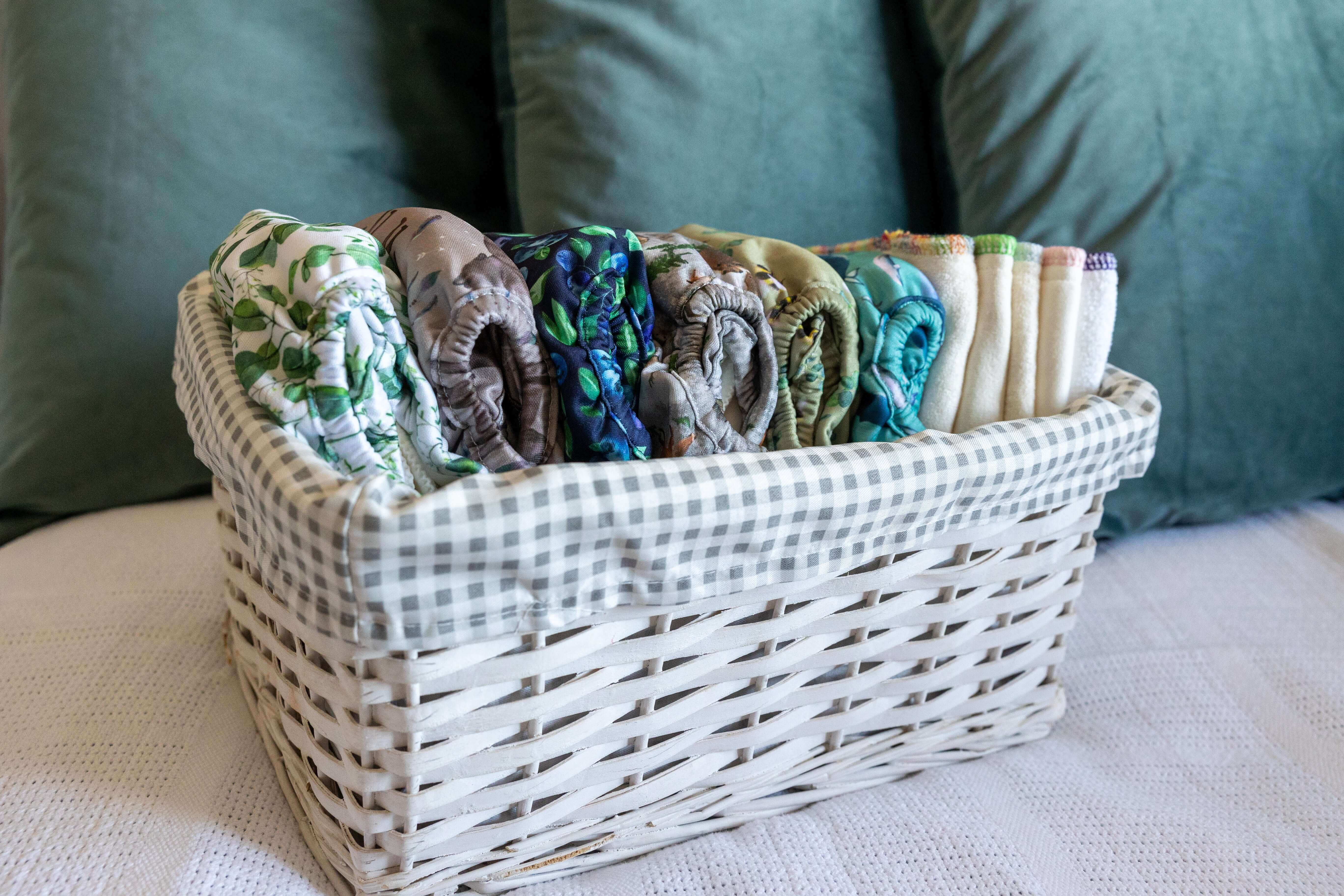
The gold standard for overnight cloth diapering is a fitted diaper plus a waterproof cover. This two-piece system gives you the maximum surface area of absorbent fabric in direct contact with your baby, combined with a separate, fully waterproof outer layer.
At Bayrli, our overnight system consists of the Inner fitted diaper paired with an Outer cover. Here is why this combination works.
The Inner is a hemp fitted diaper available with either a coffee fibre or white fleece lining. The entire body of the diaper is absorbent, unlike a pocket diaper where only the insert absorbs. It comes with a fleece-topped bamboo booster and a snap-in hemp booster. With both boosters attached, this is one of the most absorbent fitted diapers available anywhere.
The Outer is a waterproof diaper cover with TPU waterproofing. It goes over the Inner to contain everything. Because the Outer is a separate piece, it does not get soiled unless there is a leak; you can often reuse it for multiple nights before washing.
This system is also available as our Overnight Bundle, which includes everything you need to get started.
Choosing the Right Absorbency Materials
Not all materials absorb equally, and for overnight use, the choice of material matters more than at any other time.
Hemp is the highest-capacity natural fibre for cloth diaper absorbency. It absorbs more liquid per gram than cotton, bamboo, or microfibre, and it holds that liquid tenaciously even under pressure (which matters when your baby rolls over or sleeps on their stomach). Hemp is slower to absorb than some alternatives, which is why it works best as an under-layer beneath a faster material. Our hemp inserts are ideal for overnight use.
Bamboo offers a strong combination of absorbency and speed. It absorbs quickly and holds a substantial volume. A bamboo booster layered with hemp provides both the speed to catch sudden releases and the capacity to hold them.
Cotton is a solid all-purpose absorber: moderate speed, moderate capacity. Organic cotton is what we use for all skin-contact surfaces in Bayrli products.
Microfibre absorbs very quickly but holds the least total volume and is the most prone to compression leaks. For overnight use, microfibre alone is generally insufficient. If you use microfibre, pair it as a top layer with hemp or bamboo beneath it for capacity.
The optimal overnight configuration for most babies is a hemp-based fitted diaper with a bamboo booster: hemp for capacity, bamboo for speed, and organic cotton or fleece against the skin for comfort.
How to Prevent Overnight Leaks
Even with the right setup, a few practical details make the difference between dry mornings and wet ones.
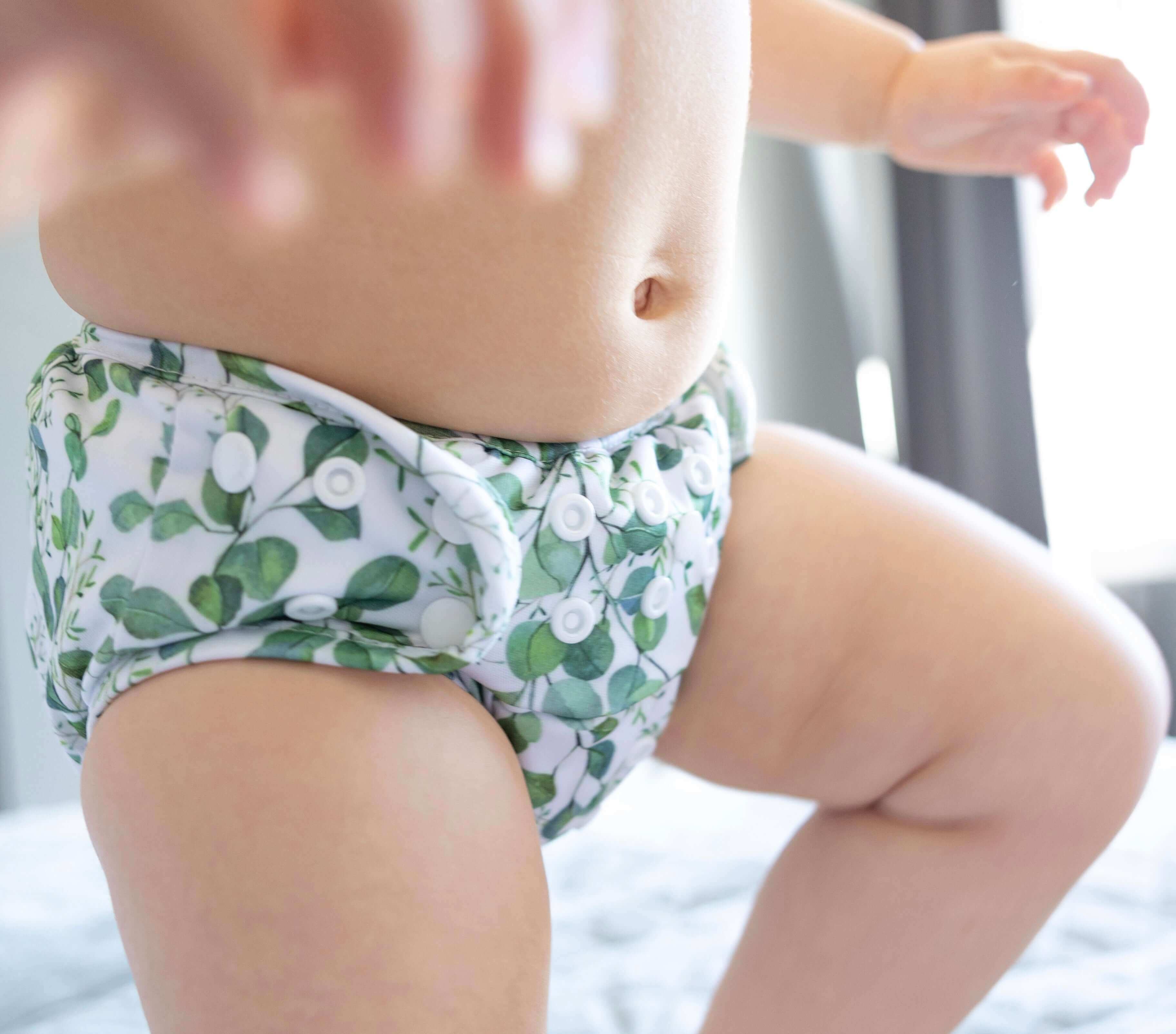
Get the fit right. This matters even more overnight than during the day, because you will not be checking and adjusting for hours. Ensure the gussets sit firmly in your baby's leg creases. Ensure the diaper is high at the front, particularly for boys, as urine flows forward when lying on their back. Two fingers should fit between the waistband and your baby's stomach. See our fit guide for detailed instructions.
Position absorbency for your baby's anatomy. For boys, add extra absorbency at the front of the diaper. For girls, concentrate it in the centre. Most overnight leaks are caused by absorbency being concentrated in the wrong place for the direction of urine flow.
Do not overdress your baby. A bulky sleepsuit over a bulky overnight diaper can shift the diaper out of position as your baby moves during sleep. A well-fitting sleepsuit or sleep sack that accommodates a cloth diaper comfortably will keep everything in place.
Prep your absorbency thoroughly. Natural fibre inserts and fitted diapers need multiple washes before they reach full absorbency. A brand-new hemp insert straight out of the packet will absorb a fraction of what it is capable of once fully prepped. Follow our prep guide for the specific wash counts for each product.
Consider a fleece liner. A stay-dry liner against your baby's skin wicks moisture away from the surface, keeping your baby feeling dry even while the absorbent layers beneath are doing their work. This can mean the difference between a baby who sleeps through and one who wakes from the sensation of wetness.
Overnight Cloth Diapering by Age
Newborns (0 to 3 months): Newborns wake frequently to feed and will typically be changed at each feeding. True overnight cloth diapering, meaning an extended period without a change, is not usually relevant at this stage. Use your standard daytime setup and change at each feed.
Infants (3 to 12 months): As your baby begins sleeping longer stretches, overnight absorbency becomes important. Start with a fitted diaper and one booster. If you experience leaks, add the second booster. Most babies in this age range do well with a single bamboo booster.
Older babies and toddlers (12 months and above): Urine output increases and consolidates into fewer, larger voids. This is when you are most likely to need the full overnight configuration: fitted diaper with both hemp and bamboo boosters. Toddlers who are heavy wetters may also benefit from an additional prefold or flat folded into the fitted for maximum capacity.
Frequently Asked Questions
Can I really use cloth diapers for 12 hours overnight? Yes. A properly configured overnight cloth diaper with hemp and bamboo absorbency can comfortably handle 10 to 12 hours for most babies. Heavy wetters may need additional boosting. The Bayrli Inner with both boosters and an Outer cover is designed for exactly this purpose.
Will my baby get nappy rash from wearing a cloth diaper overnight? A cloth diaper with a stay-dry fleece liner wicks moisture away from your baby's skin, reducing the risk of rash. Natural fibres are breathable, unlike the plastic layer in disposable diapers, which means less heat and moisture buildup. If your baby is prone to rashes, cloth diapers with natural fibres against the skin are often an improvement over disposables, not a step backward.
What is the best overnight cloth diaper? A fitted diaper paired with a waterproof cover is the best system for overnight use. Fitted diapers have more absorbent surface area than pocket diapers or all-in-ones, giving them a higher capacity ceiling. The Bayrli Inner and Outer combination is specifically designed for overnight and extended wear.
How many overnight cloth diapers do I need? Most families need 3 to 4 overnight setups to maintain a comfortable wash rotation. This gives you a clean diaper each night with enough buffer for wash days. Our Overnight Bundle is sized to provide a starting set.
Can I use a pocket diaper overnight? You can, but pocket diapers have a lower absorbency ceiling than fitted diapers because only the insert absorbs, not the shell. For shorter overnight stretches (6 to 8 hours), a pocket diaper with a hemp or bamboo insert may work. For longer stretches, a fitted diaper system is more reliable.
Do I need to change my baby during the night? If your overnight cloth diaper is properly configured with sufficient absorbency and a stay-dry liner, most babies can sleep through the night without a change. If you notice persistent leaks or your baby is consistently waking from wetness, increase absorbency or check your fit before resorting to nighttime changes.